


Do I need homeowners insurance for a townhouse?
Updated August 10, 2026 . AmFam Team
Townhouses are a bit unique: They often look like single-family homes, but they may be part of an association that shares responsibility for the building. So, do you need homeowners insurance for a townhouse? Yes, you often do—but the right policy depends on who owns what.
Here’s a simple way to think about it. If you own the townhouse and aren’t part of a condo association, homeowners insurance is typically the best fit. But if you own the townhouse and are part of a condo association, condo insurance may be the better choice for you. And finally, if you rent your townhouse, renters insurance is usually the right option.
Your agent can help you confirm what the association covers, if you have one, and where you need your own protection.
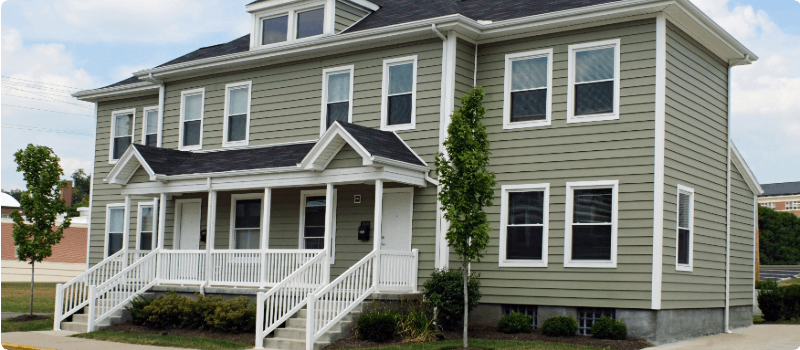
What’s the difference between a condo and a townhouse?
Condos and townhouses may seem similar, but they have a few key differences that affect what the association’s insurance might cover.
A condo is usually a living space, either a townhouse or apartment-style property, that is governed by a condo association. The association typically maintains common areas—such as hallways, roofs, exterior walls, and landscaping—and carries insurance for those shared responsibilities. Residents’ condo association fees help pay for this.
A townhouse is typically a multi-story home that shares at least one wall with a neighboring townhouse. They can be owned by an individual homeowner, rented from a landlord, or part of a condo association. (Yes, some townhouses are “condos” from an insurance standpoint.)
If you’re not sure which one you have, look at your closing documents or ask your association for a copy of their master policy.
What’s covered under townhouse insurance?
There generally isn’t such a thing as townhouse insurance—coverage usually falls into one of these categories:
- Homeowners insurance: if you own the home and you’re responsible for the structure
- Condo insurance: if you own the unit but the association insures much of the structure
- Renters insurance: if you rent
If you own your townhouse
If you’re responsible for the building itself and are not part of a condo association, homeowners insurance may cover your property in ways similar to a single-family home policy. Depending on your policy, it may offer protection from:
- Damage to your home from covered losses, such as fire, smoke, wind, and other perils
- Damage to your home’s structure
- Theft of or damage to your personal belongings
- Liability claims if someone is injured on your property and you’re responsible
You may be able to add optional coverages, or endorsements, to your policy that can help with other unexpected expenses, such as electrical appliance breakdown, flooding, or identity theft. Learn more about what homeowners insurance can help protect.

If your townhouse is part of a condo association
Condo association policies typically focus on common areas and the exterior of the building you live in, and some may cover parts of the unit interior—but only as originally built.
That’s where condo insurance can help. It’s designed to help cover what the association policy may not, such as:
- Your personal property
- Personal liability (if someone is injured on your property)
- Interior improvements (ex. upgrading original vinyl countertops to granite)
Even when the association covers some interior items, condo insurance may help fill coverage gaps so you’re not left paying out of pocket for what the condo’s master policy doesn’t include.
If you rent your townhouse
If you rent, your landlord’s insurance generally covers the building—not your belongings. Renters insurance can help you protect what you own and provide liability coverage. Depending on your policy, it may help cover:
- Personal property if it’s damaged in a covered loss, like a fire
- Personal property if it’s stolen
- Personal liability if someone is injured in your rented townhouse and you’re found responsible
And because life happens outside your front door, renters insurance may also help protect your belongings even when you’re away from home, up to the policy limits.
Get the townhouse insurance you need
Take the next step by answering two questions:
- 1. Do you own or rent?
- 2. If you own, and there’s an association master policy, what does it cover?
Once you’ve confirmed these two things, an American Family Insurance agent can help you choose whether homeowners, condo, or renters insurance makes the most sense—and what optional coverages to consider based on your needs.
This information represents only a brief description of coverages, is not part of your policy, and is not a promise or guarantee of coverage. If there is any conflict between this information and your policy, the provisions of the policy will prevail. Insurance policy terms and conditions may apply. Exclusions may apply to policies, endorsements, or riders. Coverage may vary by state and may be subject to change. Some products are not available in every state. Please read your policy and contact your agent for assistance.